

News
Valve painting for corrosion prevention is a commonly used method to protect valves from corrosion. The following is a detailed explanation of valve painting and anti-corrosion:
1. The importance of valve spray painting for corrosion prevention
Corrosion is one of the main causes of damage to metal valves, which can lead to damage to valve components and increase the cost of maintenance and replacement. Therefore, taking anti-corrosion measures is crucial for extending the service life of valves and reducing maintenance costs. Spray painting anti-corrosion, as an economical and effective anti-corrosion method, is widely used in the field of valve manufacturing and maintenance.
2. Selection of anti-corrosion coatings for valve painting
When selecting anti-corrosion coatings for valve painting, factors such as valve material, operating environment, anti-corrosion requirements, and coating performance need to be considered. Common types of coatings include fluorocarbon paint, polyurethane paint, epoxy paint, etc. These coatings are usually formulated with synthetic resins, rubber slurries, vegetable oils, solvents, etc., which can cover metal surfaces, isolate media and atmosphere, and achieve anti-corrosion purposes.
(1) Fluorocarbon paint: It has excellent weather resistance, corrosion resistance, and chemical resistance, suitable for outdoor and highly corrosive environments.
(2) Polyurethane paint: It has good wear resistance, impact resistance, and adhesion, and is suitable for applications that require certain mechanical stress.
(3) Epoxy paint: It has excellent adhesion, salt spray resistance, and corrosion resistance, especially suitable for coating valve cutting surfaces.
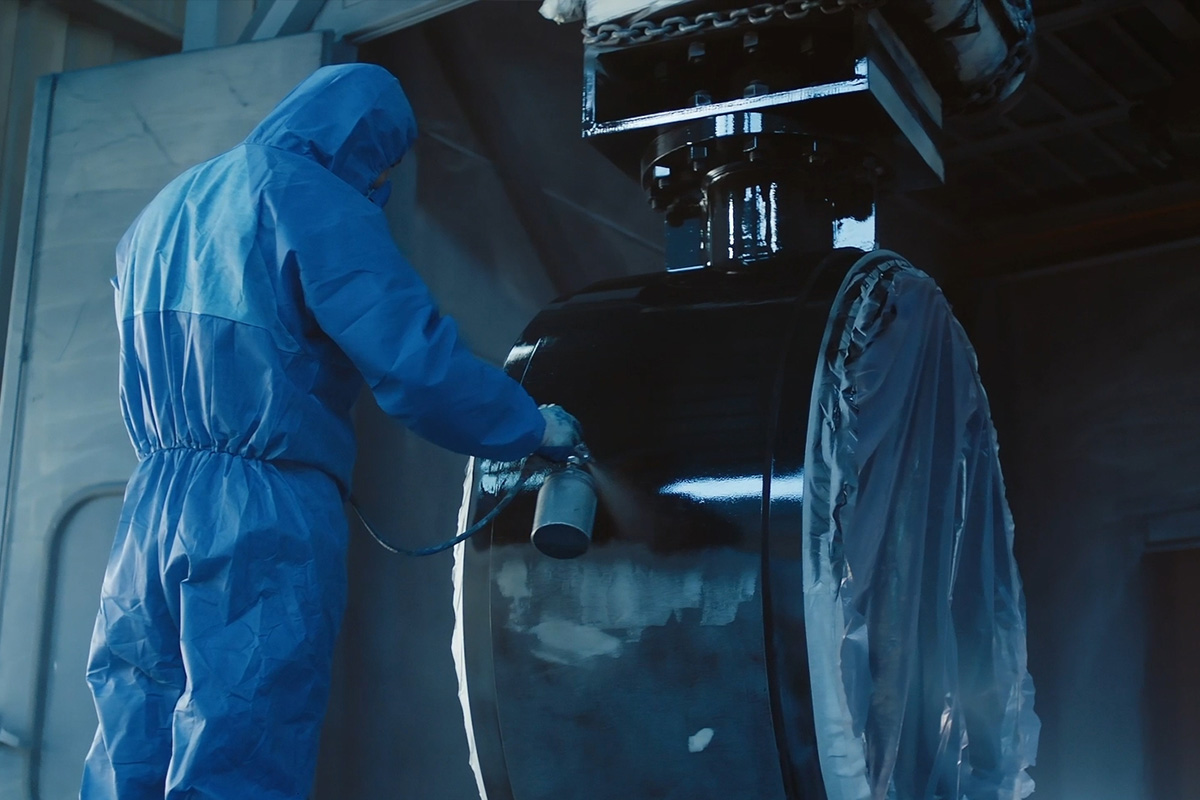
3. Process steps for painting and anti-corrosion of valves
The process steps for valve painting and anti-corrosion usually include pretreatment, spraying, curing, and cooling.
(1) Pre treatment: It is the most critical step in the valve painting and anti-corrosion process, with the main purpose of removing oil stains, rust, oxides and other impurities on the surface of the valve, while increasing the surface roughness so that the coating can adhere better. For cast iron valves, shot blasting or sandblasting processes are often used for treatment.
(2) Spray painting: It is the core process of valve spray painting and anti-corrosion technology, with various methods including electrostatic spraying and fluidized bed technology. During the spraying process, it is necessary to adjust the air pressure, flow rate, and spray angle of the spray gun to ensure the required film thickness and prevent sagging.
(3) Curing: It is the process of reacting the sprayed coating at high temperatures to solidify it into a hard, wear-resistant protective film. The curing temperature and time need to be determined according to the coating material and process requirements.
(4) Cooling: After solidification, the workpiece needs to be cooled to room temperature, and it is recommended to use natural cooling method.
4. Precautions for valve painting and anti-corrosion
(1) Before painting, it is necessary to thoroughly pre treat the valve to ensure that the surface is clean and free of impurities.
(2) When spraying, it is necessary to choose appropriate coatings and spraying methods to ensure the quality and anti-corrosion effect of the coating.
(3) During the curing process, it is necessary to strictly control the temperature and time to ensure that the coating is completely cured.
(4) During the painting process, attention should be paid to protecting non spraying areas to prevent contamination.
(5) After painting is completed, the coating needs to be inspected to ensure compliance with relevant standards and requirements.
5. Other anti-corrosion methods
In addition to spray painting for corrosion prevention, valves can also use other corrosion prevention methods such as galvanizing, electroplating, thermal spraying, and ceramic coating. These methods each have their own advantages and disadvantages, and should be selected based on comprehensive factors such as valve material, usage environment, and anti-corrosion requirements.
Valve painting for corrosion prevention is an effective method to protect valves from corrosion. By selecting appropriate coatings, strictly controlling process steps and precautions, the quality and anti-corrosion effect of the coating can be ensured. At the same time, other anti-corrosion methods can also be considered to improve the anti-corrosion performance of the valve.